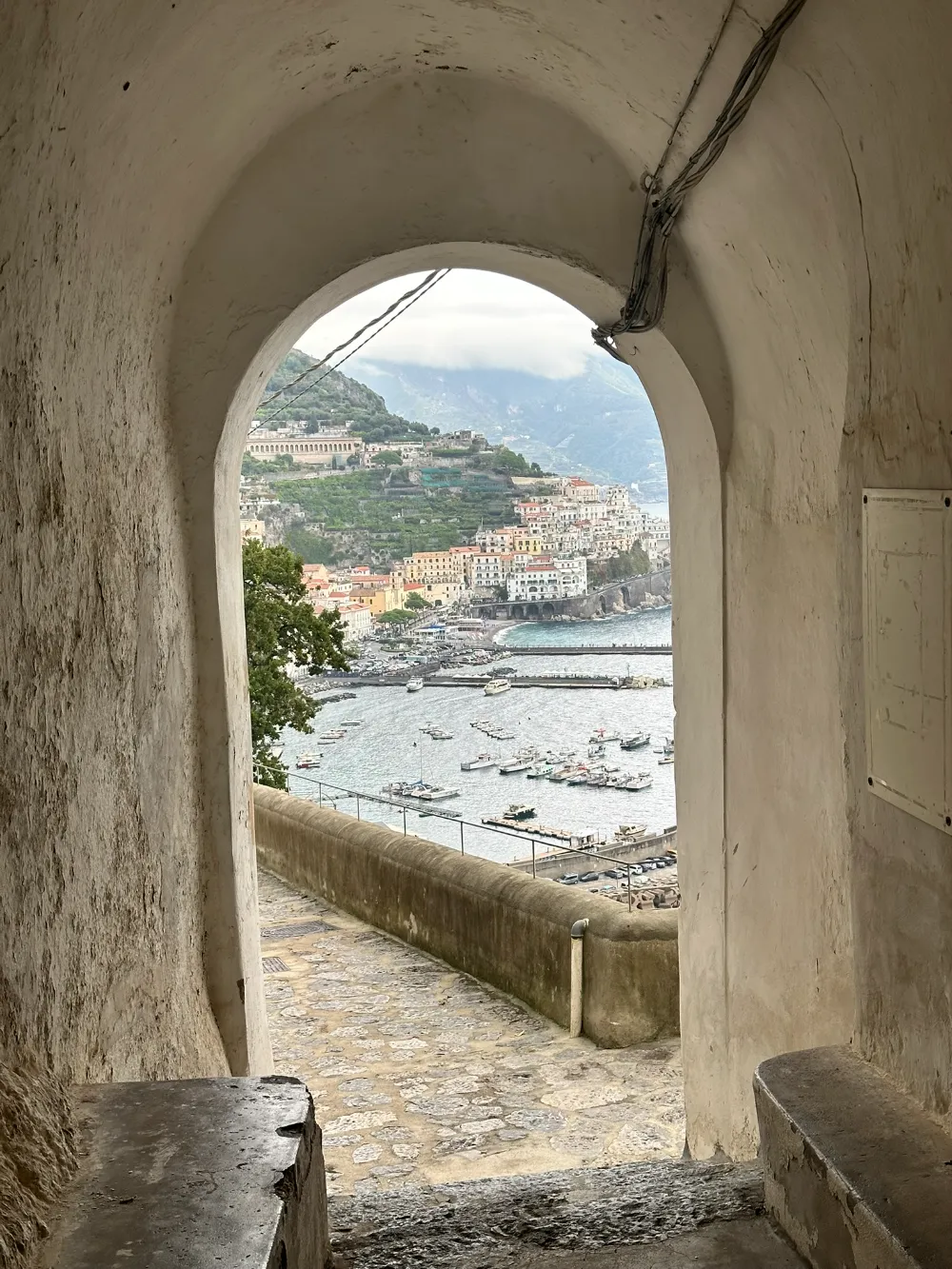
While the Amalfi Coast is visually spectacular, most first-time visitors severely underestimate three critical logistical factors: the verticality of the towns (requiring significant physical exertion), the deceptive travel times between "neighboring" villages due to narrow, single-lane roads, and the volatility of coastal weather even in shoulder seasons. A seamless luxury experience requires acknowledging that this is not a "walkable" coastline in the traditional sense; it demands a strategy that relies on private water taxis to bypass road traffic and a curated itinerary that accounts for the physical reality of navigating hundreds of steps to reach your hotel or dinner reservation.
I’ve sent dozens of clients here. I know the hotel views, the winding coastal roads, the Michelin-starred dining experiences, and the perfectly timed boat rides to Capri.
So when I finally visited this fall, toward the end of the season, I thought I knew exactly what to expect.
Spoiler: I didn’t.

First, a little geography lesson
Let’s start with something that surprises many travelers: the Amalfi Coast and the Sorrento Coast are not the same thing.
The Sorrento Peninsula is often mislabeled as “the Amalfi Coast in its entirety,” but they are distinct.
The Sorrento side faces the Bay of Naples, home to the town of Sorrento, your likely starting point if you’re coming from Naples or Rome.
Once you cross over the mountains toward Positano, Amalfi, and Ravello, that’s when you’re officially on the Amalfi Coast proper.
Both are stunning, both worth visiting, but understanding the difference helps in planning the logistics (and in setting expectations, especially about driving distances).
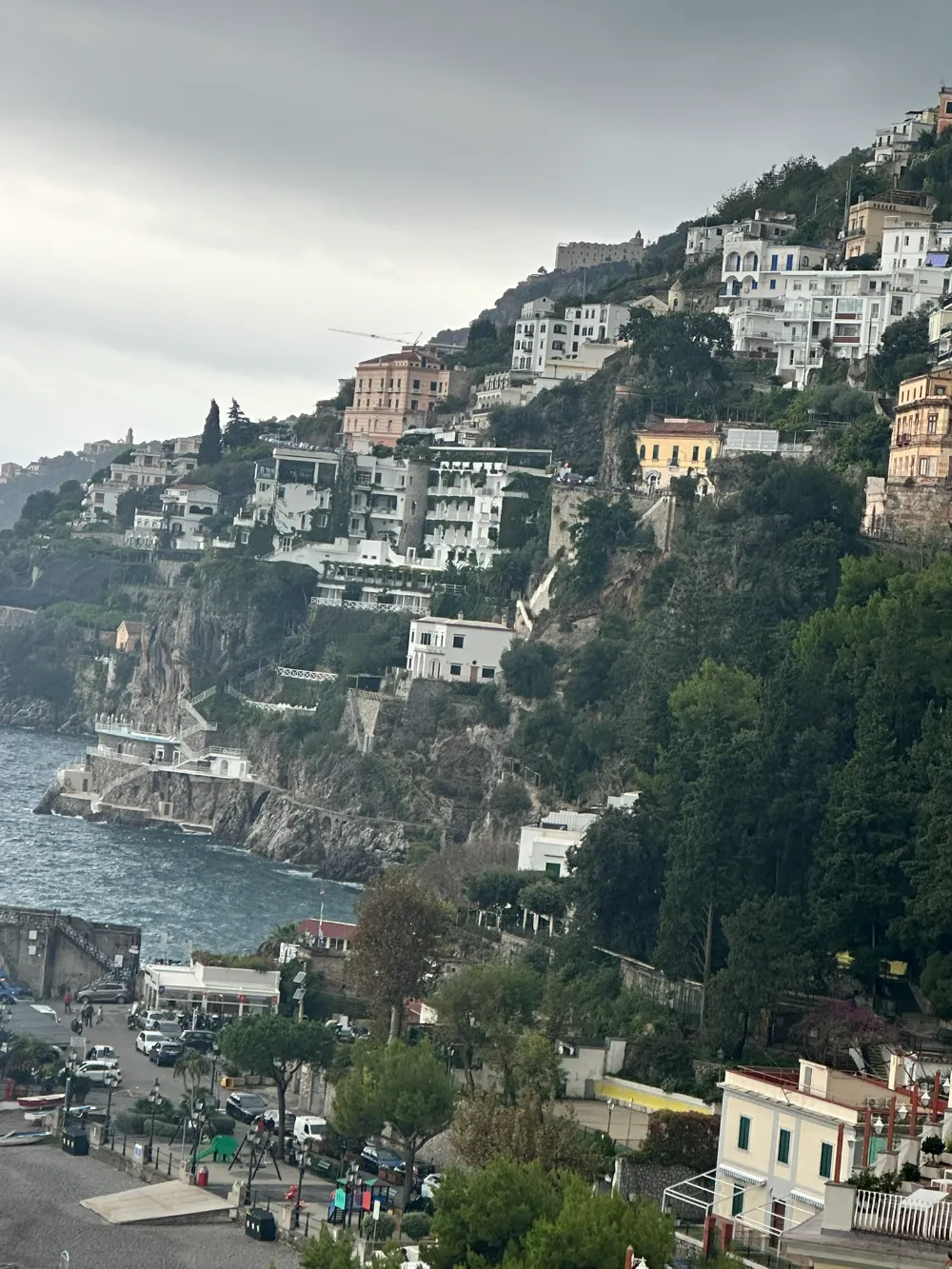
About the season
The official Amalfi Coast travel season begins around Easter, April, and winds down by late October, sometimes stretching into early November depending on the weather.
If you’re after the sweet spot, late May through early June and September are typically ideal.
You’ll get that perfect balance of sunshine, warm seas, and fewer crowds.
That said, I’m here now, in October, and it’s still busy.
Restaurants are packed, ferries are full, and those famous Instagram overlooks still have their lines.
But it’s not just the crowds I underestimated.
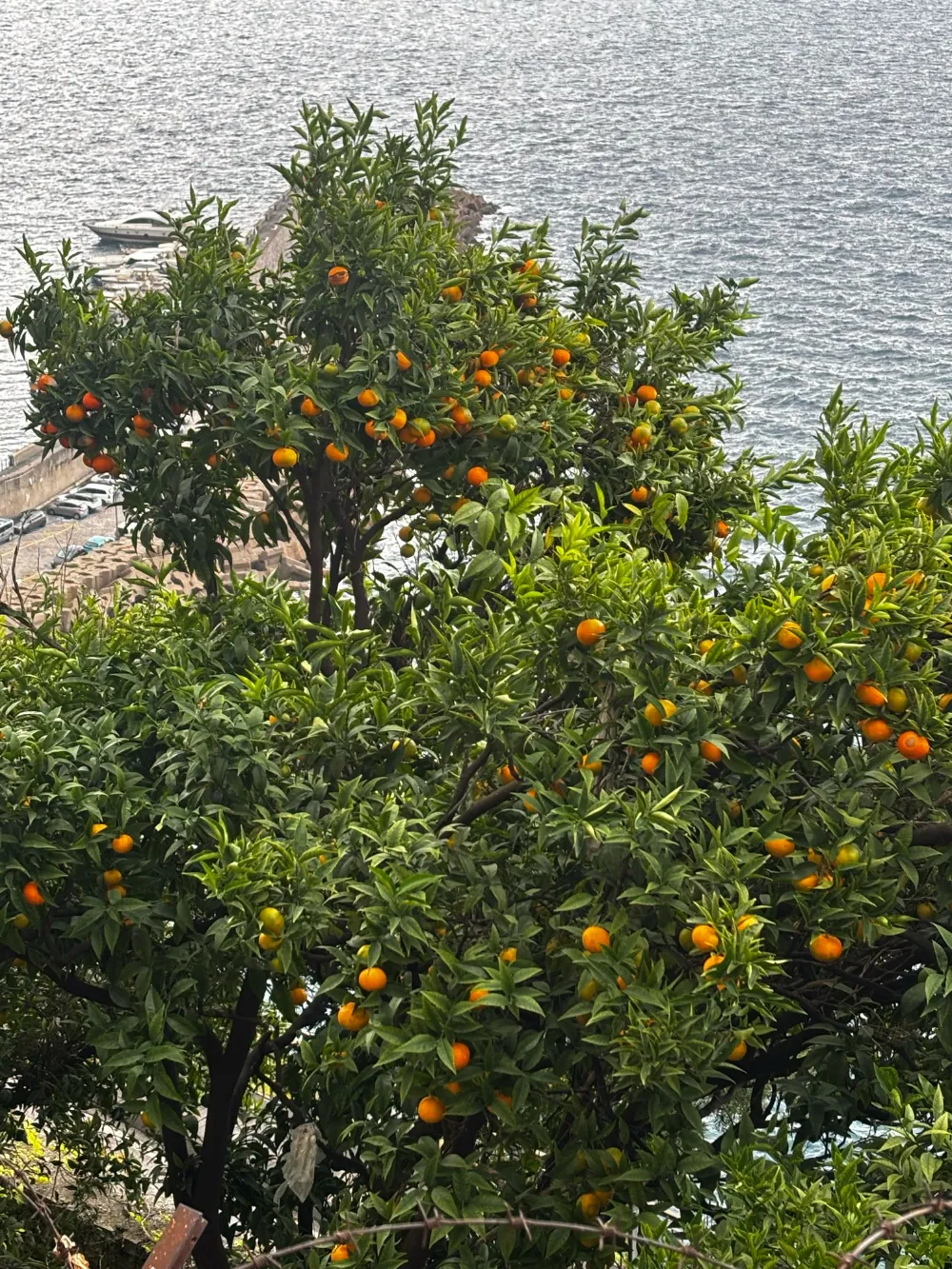
Lesson one: Weather
I saw the forecast: 68°F to 72°F (20–22°C) and thought, perfect.
I imagined crisp mornings, light layers, and warm afternoons.
What I didn’t factor in were the winds and sudden rains that roll off the sea.
One day you’re sipping an espresso in the sun, the next you’re sprinting through puddles with a poncho printed in bright yellow lemons (yes, I caved and bought one).
Pro tip: Pack a real rain jacket.
It may not look as charming in photos, but it’s infinitely more practical than the souvenir ponchos that make you look like Amalfi’s version of Paddington Bear
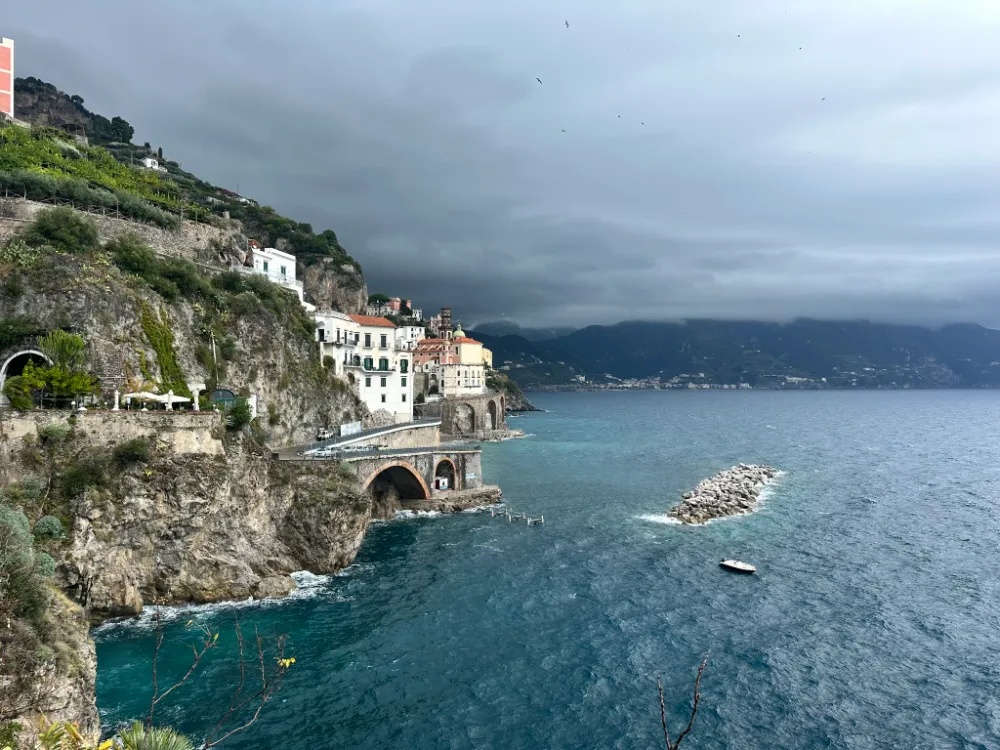
Lesson two: Walking the coast
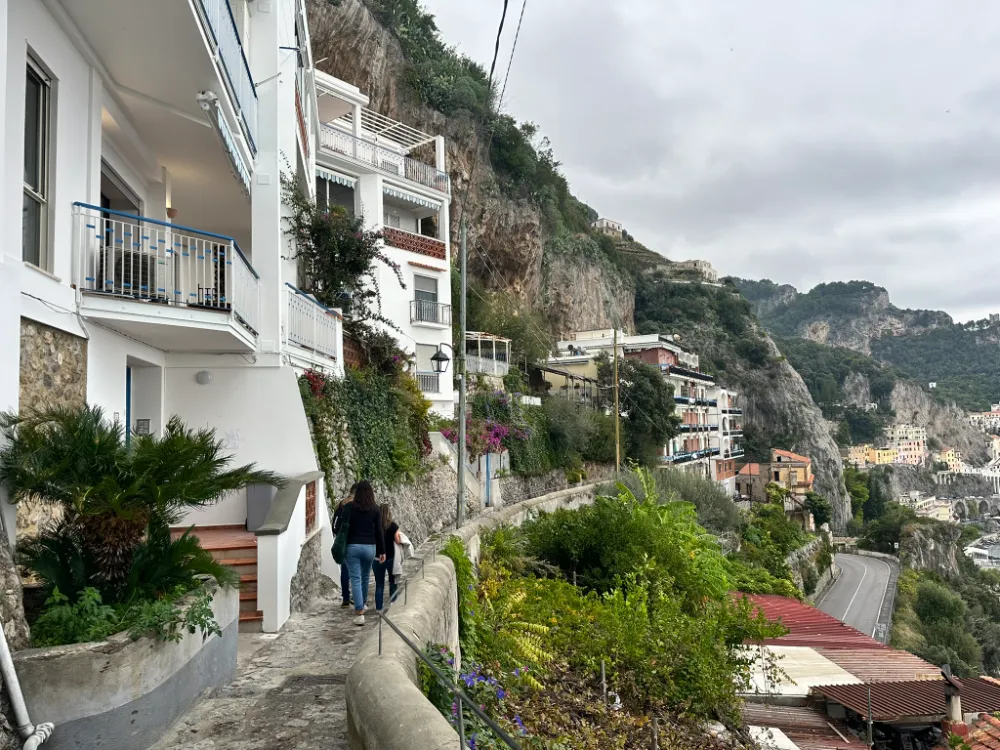
You don’t walk the Amalfi Coast, you climb it.
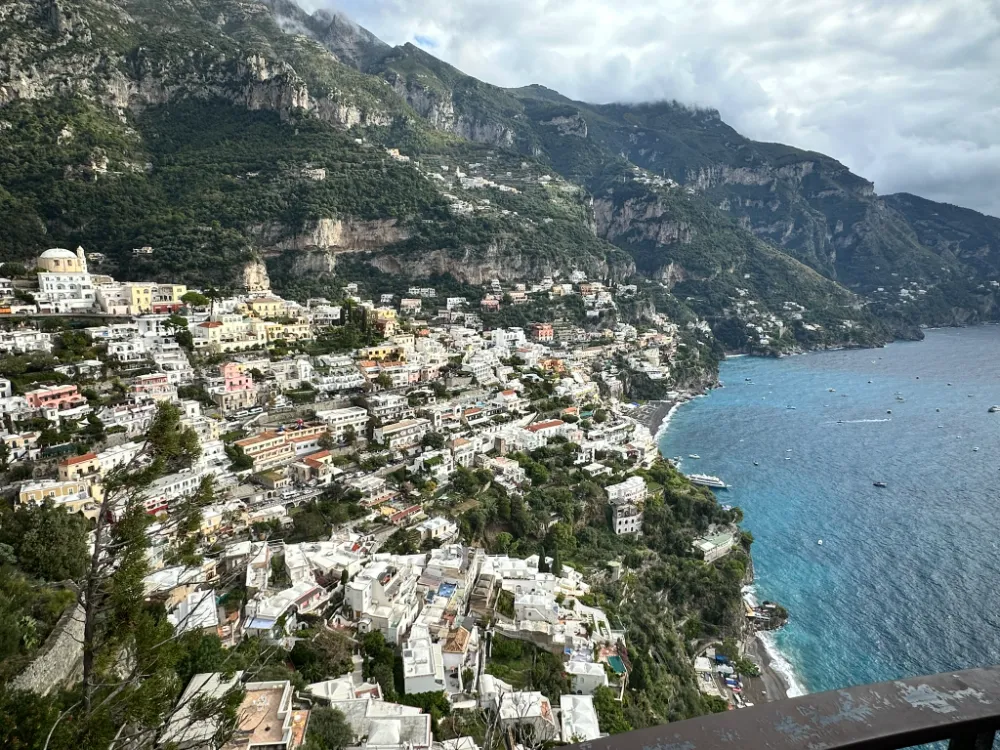
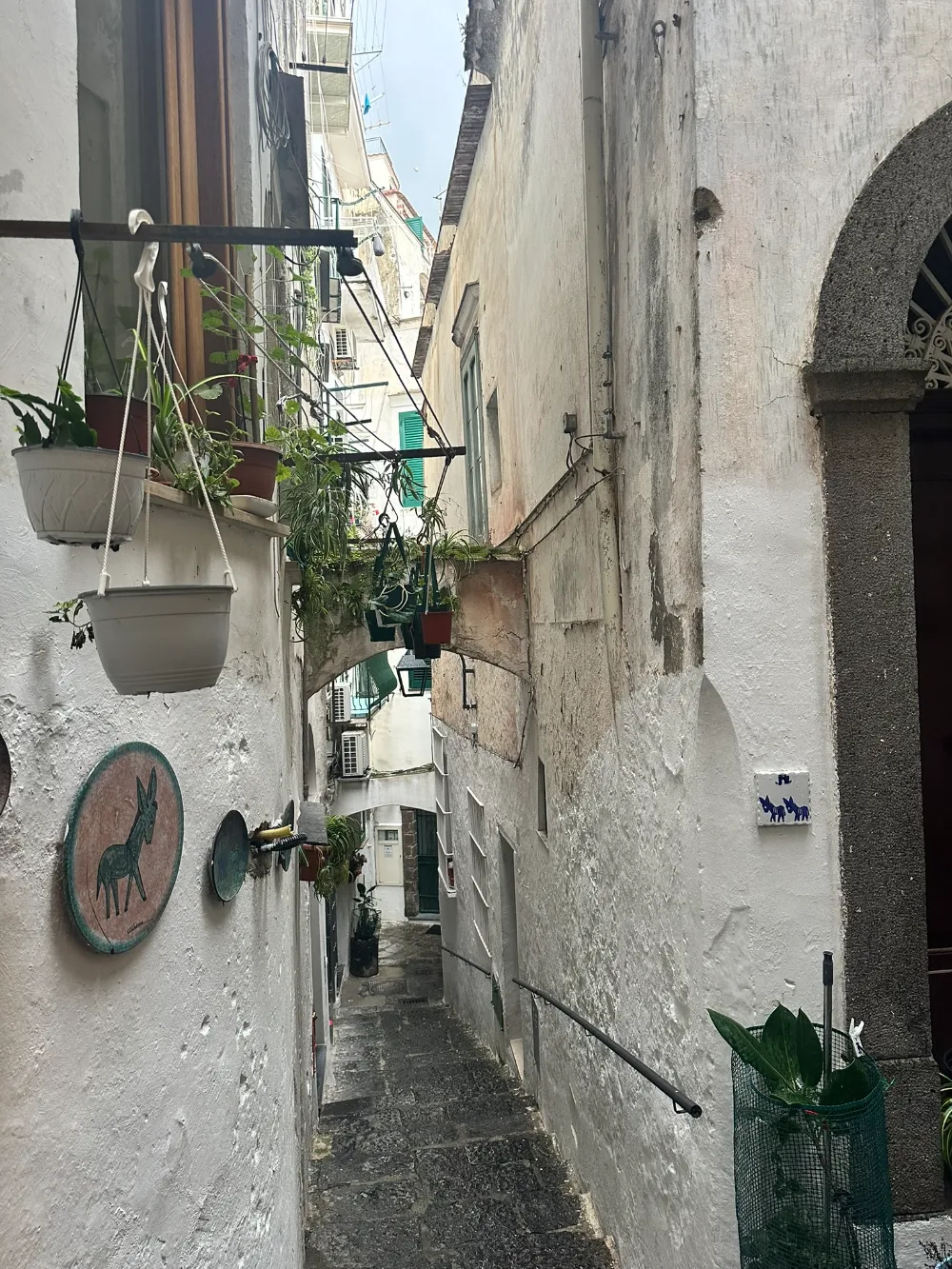
Every town here is built vertically, carved into cliffs that rise dramatically from the sea.In Positano, for instance, what looks like “a quick 10-minute walk” on Google Maps is really a calf workout disguised as a stroll.You’re either going up or down, there’s no such thing as flat.
The cobblestones are charming, yes, but also slippery, especially when wet.Pack shoes with real grip.(And if you’re trying to look stylish, do yourself a favor and pack two pairs: one for photos, one for survival.)

Lesson three: Distances are deceptive
I also underestimated how long it takes to get from one town to another.
On a map, Amalfi, Ravello, and Positano seem close.
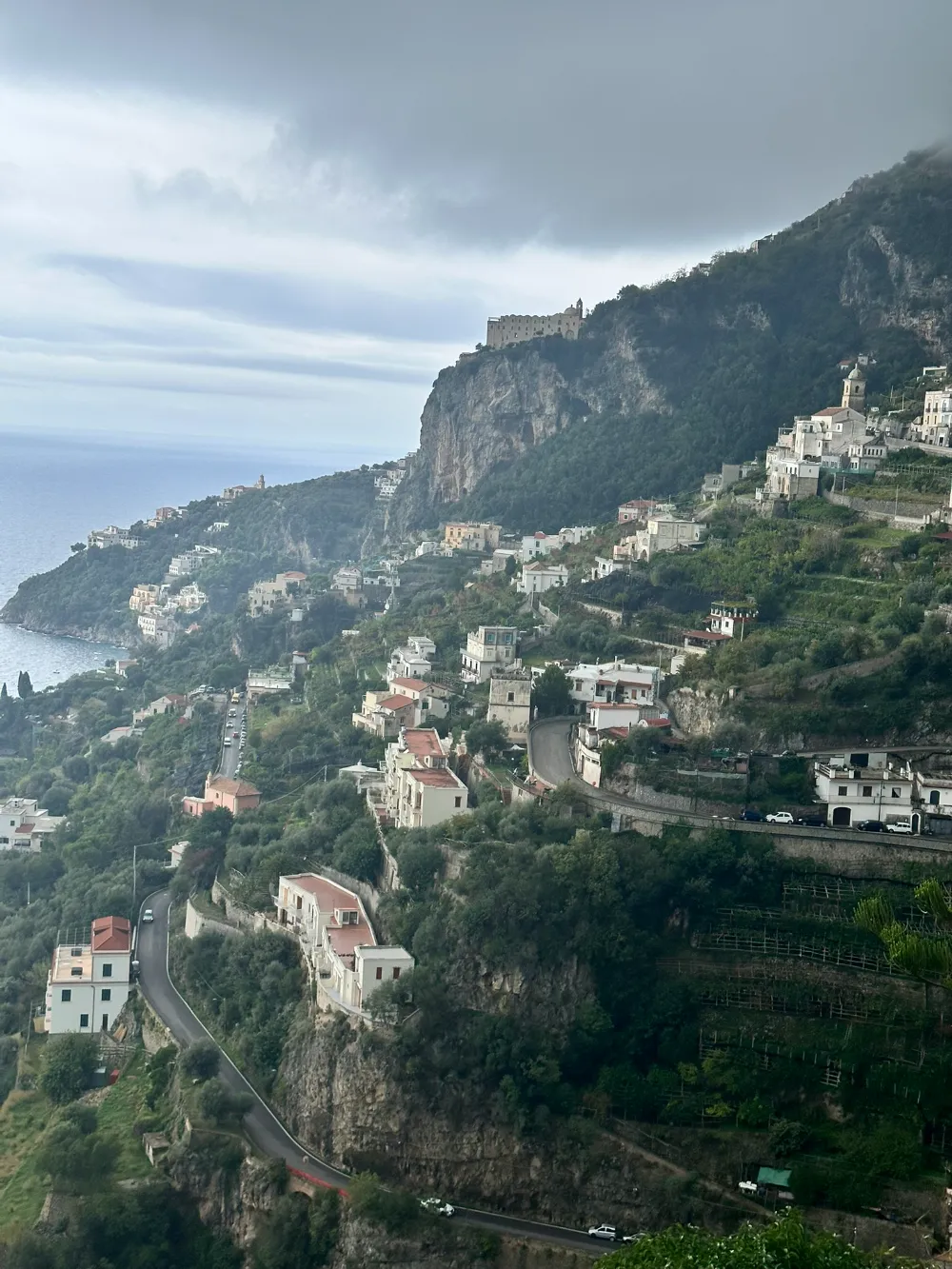
In reality, it’s a series of narrow, winding roads that hug cliffs, where buses, cars, and pedestrians all fight for the same inch of pavement.
And sidewalks? Let’s just say they exist occasionally.
It’s an unforgettable drive, but one best enjoyed with a professional driver or by water taxi.
Trust me, there’s a fine line between “romantic coastal drive” and “white-knuckle adventure.”
And yet…
Even with the rain, the traffic, and my lemon-poncho moment, it’s hard not to fall in love with this region all over again.
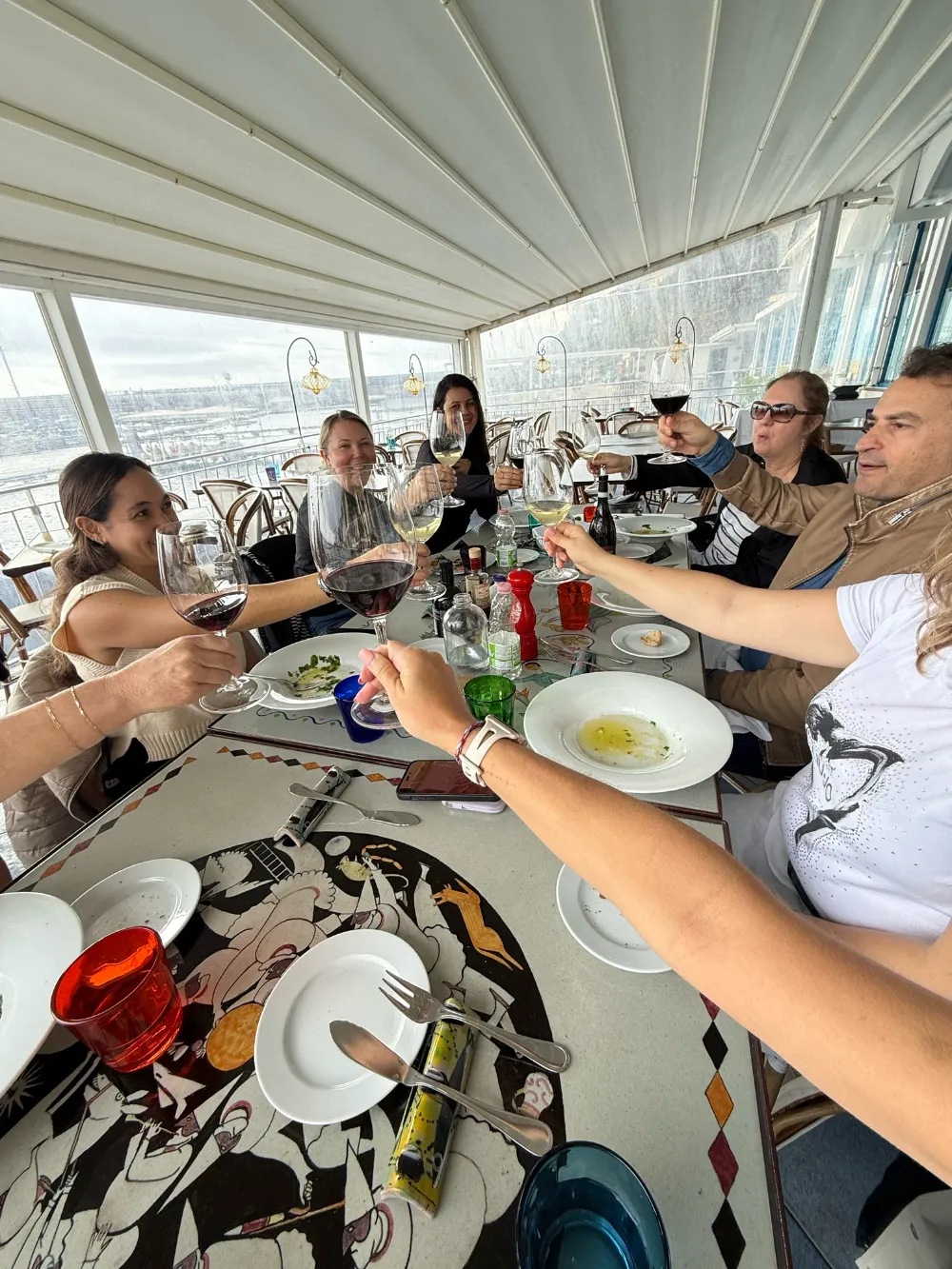
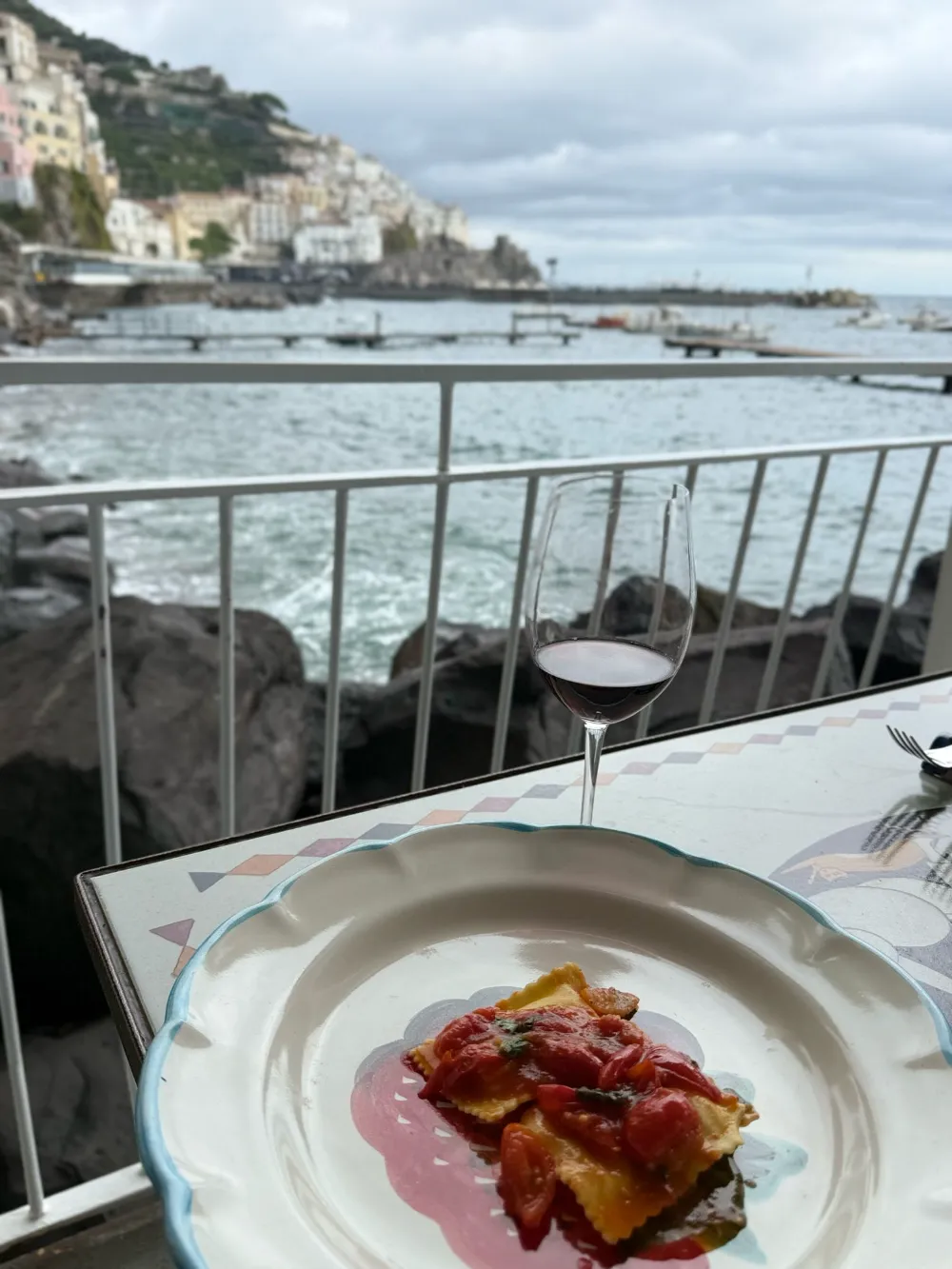
The Amalfi Coast isn’t just a destination, it’s a sensory experience:the scent of citrus in the air, the taste of freshly caught seafood paired with crisp local wine, the echo of church bells bouncing off cliffs.
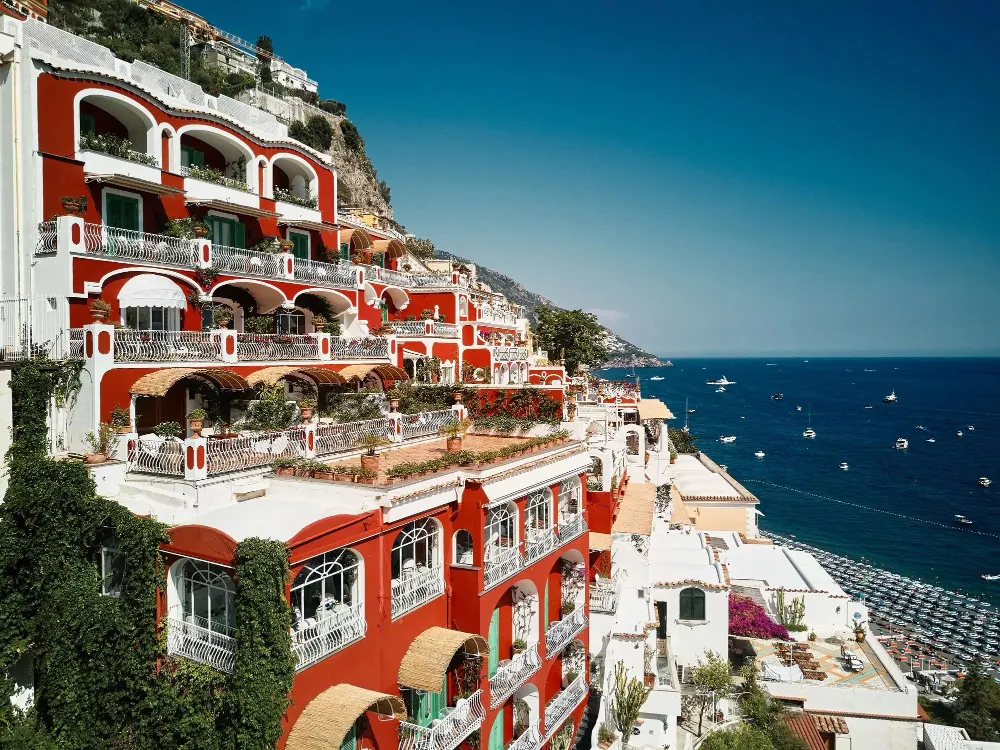
It’s no wonder it remains one of our top requests for luxury travel in Italy year after year.Just remember: plan with someone who knows how to time it right, navigate the geography, and book you into the right properties (where even on a rainy day, the view steals your breath away).
Because the truth is, the Amalfi Coast will always be beautiful.But the right planning makes it effortless.
When you are ready for your own amalfi coast story
The Amalfi Coast will always be beautiful. What changes everything is having someone who knows when to go, where to stay, and how to move around without stress. When you are ready for your own trip, we take care of every detail so you only have to decide what to pack.
When you are ready for your own amalfi coast story
The Amalfi Coast will always be beautiful. What changes everything is having someone who knows when to go, where to stay, and how to move around without stress. When you are ready for your own trip, we take care of every detail so you only have to decide what to pack.
Frequently Asked Questions
1. What do people most underestimate about the Amalfi Coast?
While the Amalfi Coast is visually spectacular, most first-time visitors severely underestimate three critical logistical factors: the verticality of the towns (requiring significant physical exertion), the deceptive travel times between "neighboring" villages due to narrow, single-lane roads, and the volatility of coastal weather even in shoulder seasons.
2. How is the Amalfi Coast laid out?
The Amalfi Coast and the Sorrento Coast are not the same thing, which surprises many travelers. The Sorrento Peninsula faces the Bay of Naples and is usually your starting point if you arrive from Naples, while the Amalfi Coast is the other side. Both are beautiful, and knowing the difference makes the driving distances far easier to plan for.
3. When is the best time to go?
The season runs from around Easter in April to late October, sometimes into early November depending on the weather. Late May to early June and September are the sweet spot, with sunshine, a warm sea and fewer people. Even October can still be busy, with packed restaurants and full ferries.
4. What is the weather really like?
A forecast of 68 to 72°F sounds ideal, but it does not account for the winds and sudden rain that roll in off the sea. One moment you are having an espresso in the sun, the next you are running through puddles. Pack a proper rain jacket rather than relying on a souvenir poncho.
5. How much walking should you expect?
You don’t walk the Amalfi Coast, you climb it.Every town here is built vertically, carved into cliffs that rise dramatically from the sea.In Positano, for instance, what looks like “a quick 10-minute walk” on Google Maps is really a calf workout disguised as a stroll.You’re either going up or down, there’s no such thing as flat.The cobblestones are charming, yes, but also slippery, especially when wet.Pack shoes with real grip.(And if you’re trying to look stylish, do yourself a favor and pack two pairs: one for photos, one for survival.)