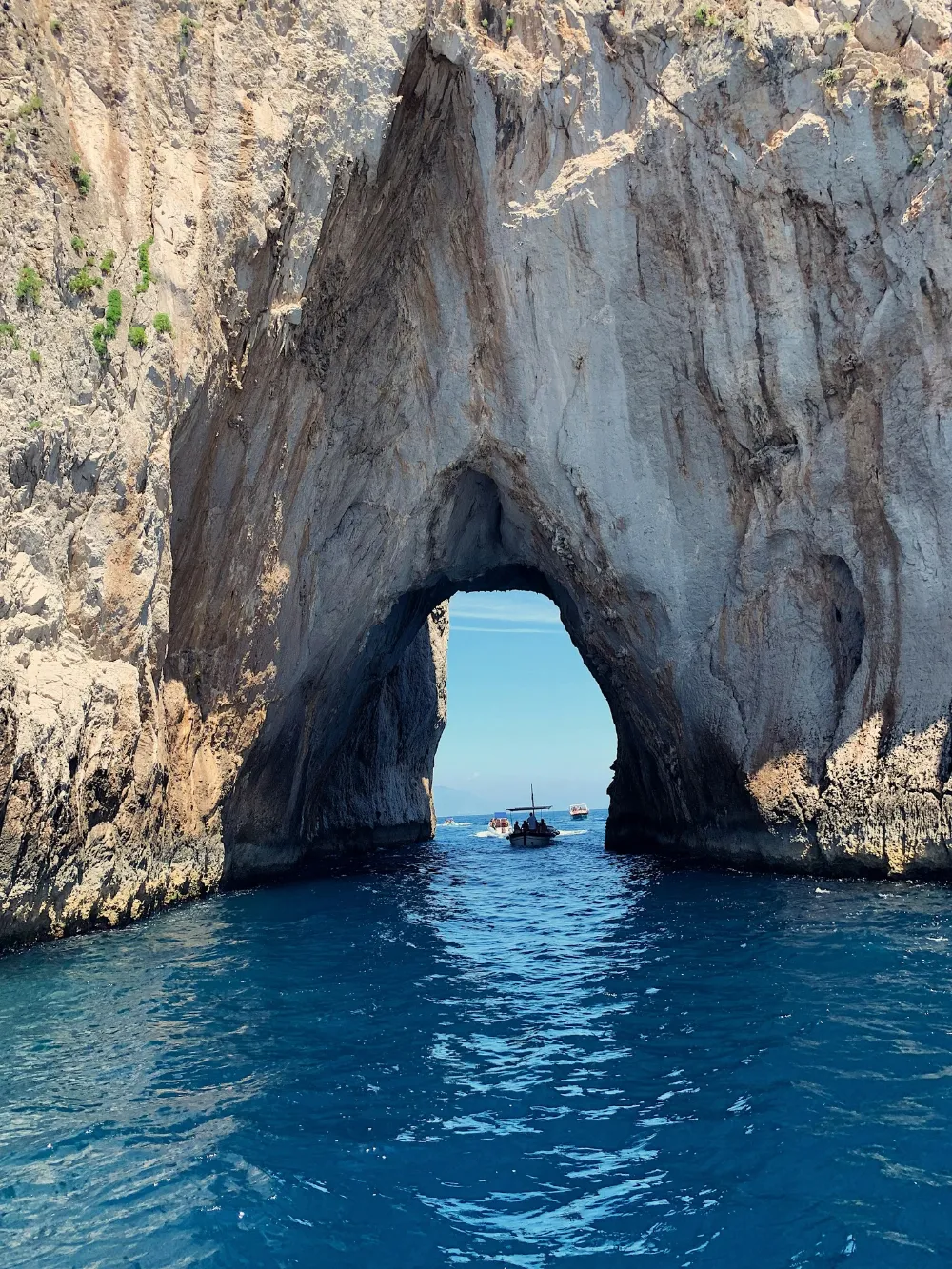
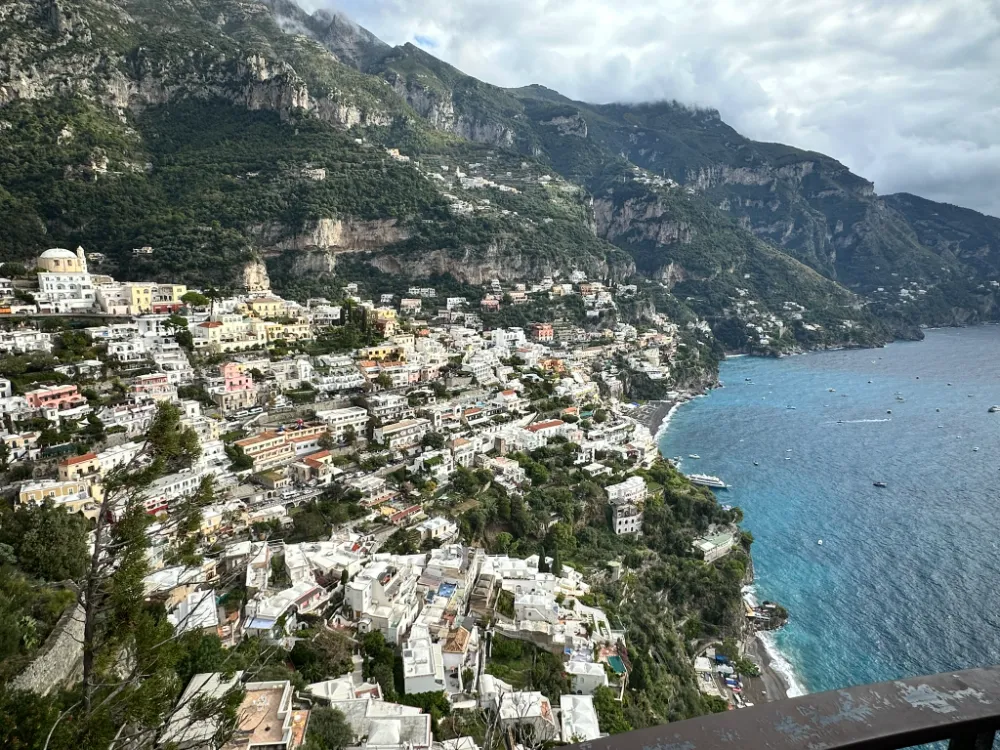
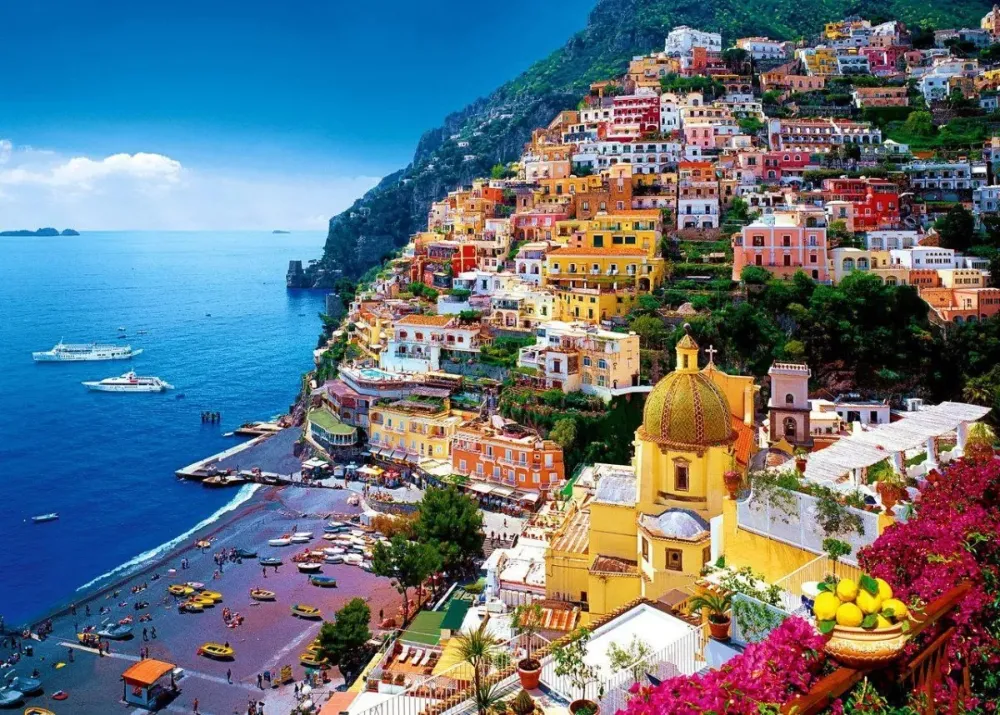
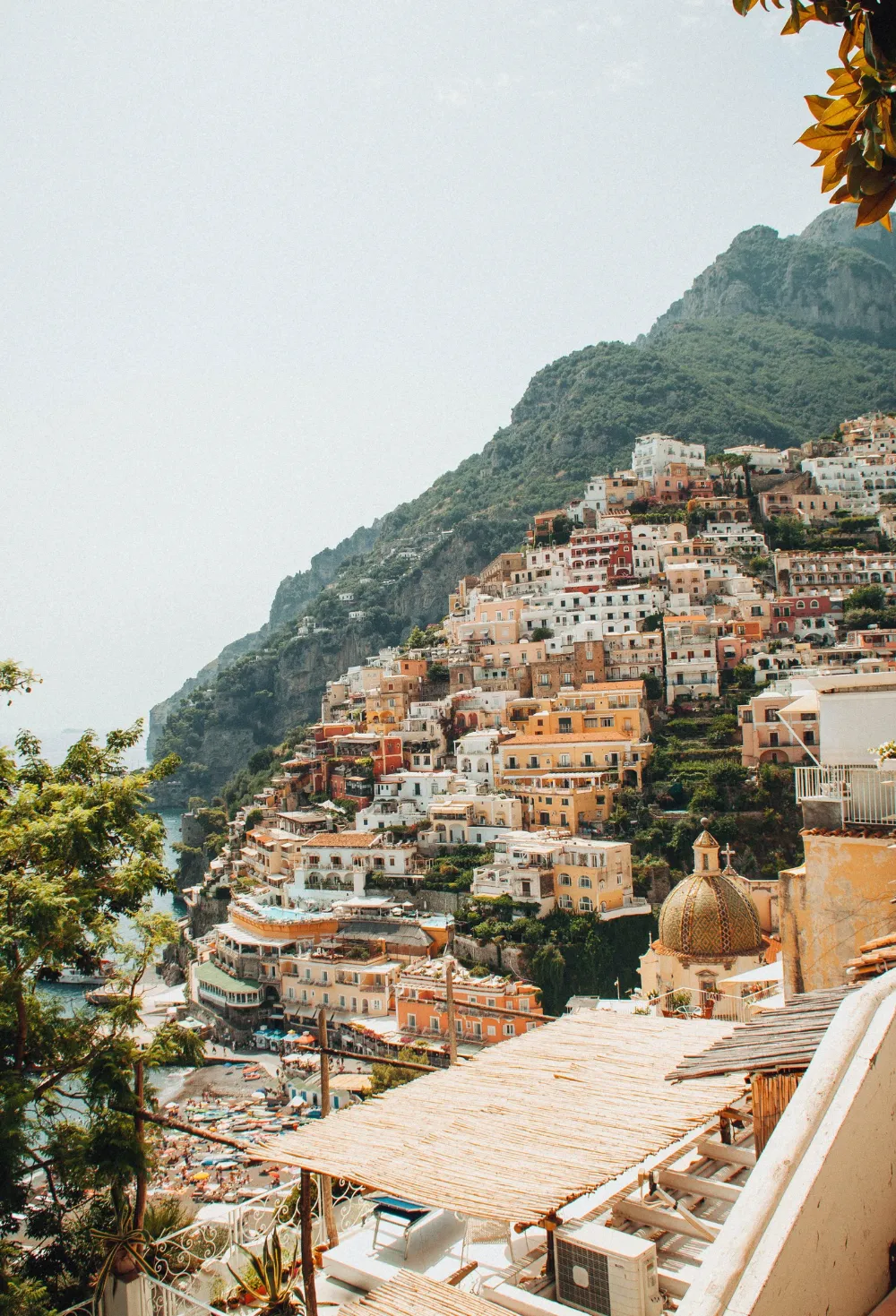
The Amalfi Coast is a UNESCO World Heritage site celebrated for its dramatic cliffs, pastel-colored vertical villages, and crystalline Tyrrhenian waters. Stretching from Positano to Vietri sul Mare, this 50-kilometer coastline is best experienced through a combination of private boat tours, to view the architecture from the sea, and stays in the "big three" towns: Positano for its upscale shopping and beaches, Amalfi for its Byzantine history and cathedral, and Ravello for its cliffside gardens and classical music heritage. For the most seamless experience, travelers are encouraged to visit during the "shoulder" seasons of May or September and utilize professional drivers to navigate the winding, narrow "Nastro Azzurro" road.
I’ve been lucky enough to visit more than once, and each time, I discover something new… But let’s be real, there’s much more to this region than Instagram-worthy views. It’s got winding roads that’ll test your stomach, hidden coves, mouthwatering meals, and some serious calf-burning stair workouts.
In this post, I’ll share how to get there, my favorite towns, dining spots, tips for traveling with kids (and not losing your mind), and everything in between.

Getting There Without Losing Your Lunch
1. Getting There & Around
Closest Airports
Naples International Airport (NAP) is the closest major airport to the Amalfi Coast (1.5–2 hours from the coast).
Rome Fiumicino Airport (FCO) has more direct and often cheaper flight options from major U.S. cities (New York, Miami, LA, Chicago, etc.), but it’s further away (3.5–4 hours from the coast).
From Naples to the Amalfi Coast:
Ferry: My personal favorite for comfort. Ferries run in warmer months (April–October) between Naples and towns like Sorrento, Amalfi, and Positano. You get scenic views and avoid those dreaded hairpin turns.
Private Transfer: If you arrive at an off time or in off season, I recommend a private transfer, especially if you have loads of luggage. It’s direct, and the driver will handle those wild roads like a pro (though you may not love it, more on that in a moment).
SITA Bus: Budget-friendly, but be prepared for jam-packed crowds and the “every man for himself” boarding scenario. There’s nearly no etiquette on these buses nor a reliable timetable. If you’re prone to motion sickness, Dramamine is essential, these drivers navigate narrow, winding roads in huge buses like wizards.
From Rome to the Amalfi Coast:
High-Speed Train to Naples or Salerno: Takes about 1 hour 15 minutes from Rome to Naples Centrale, then follow the above steps for reaching Amalfi. From Salerno, you can also ferry or bus to the Amalfi towns.
Driving: Don’t do it.
Other Transport Options:
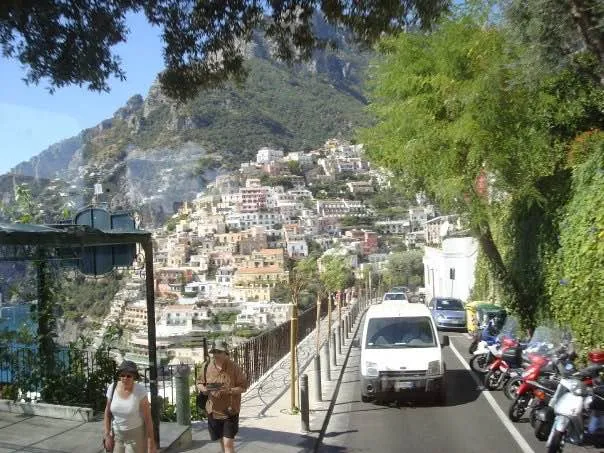
Scooters: Picture yourself in those iconic Italy-summer photos with a Vespa on a coastal road. Yes, it’s gorgeous. And yes, it’s also nerve-wracking if you’re not used to Italian roads. If you rent a scooter, drive defensively. Locals zip around corners like they’re on a racetrack, and I saw several with their dogs on the Vespa!
Walking: Many coastal towns, like Positano and Amalfi, are small and walkable. Just know that “flat” is not really a thing here. Stairs are part of everyday life, so wear comfortable shoes and be prepared for a workout.
Carsickness Alert!
If you’re prone to motion sickness like me, be warned: the roads from Naples to Positano are bananas, even in a private transfer. I’ve definitely gotten carsick big time. So if you have a sensitive stomach, pack Dramamine or ginger chews, and maybe try to focus on the horizon… or take the ferry if it’s running (April–October)!

When It’s Actually Fun to Be Here
2. Best Times to Visit
May–June or September–October
You’ll enjoy milder weather, fewer crowds, and slightly better prices. High summer (July–August) can get crazy: intense heat, higher prices, and peak crowds.
Where to Stay When “Flat” Isn’t a Thing
3. Where to Stay
Positano
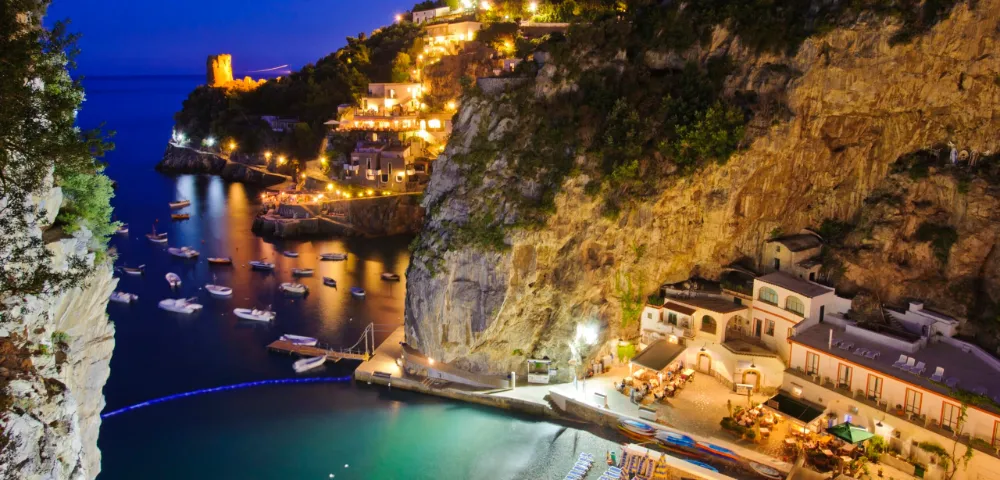
The queen of Instagram, Positano is known for its vertical layout. It’s basically many giant staircases built into a cliff with jaw-dropping coastal views. I’ve stayed in:
A rustic villa with my multi-generational family, lots of space, shared meals on the veranda, magical sea views. This area is really one of the pioneers of the AirBnB-type accommodation. We had a massive patio with ocean views and could gather for big Italian meals.
A small hotel with zero elevators (Villa Rosa), common in these cliffside buildings! The hotel sits across from Le Sirenuse and had gorgeous views from our balcony and daily breakfast delivered to our room. We were on the 4th floor, and getting in and out was a workout!
Pro Tip: Whether you stay in a villa or a hotel, you will need to get your suitcases up and down MANY stairs, so pack light and/or hire a porter. Even if you’re in shape, carrying a giant suitcase up a hundred steps is no joke. If you want to spend more time right in town: eating, shopping, or hitting the beach and don’t want to climb Mount Vesuvius back to your room every night, book closer to the lower part of Positano near Marina Grande. The iconic hotel Le Sirenuse can be used as a landmark to determine an ideal location. Splurge options like Le Sirenuse or Il SanPietro di Positano offer incredible terraces, on-site dining, and an unforgettable sense of luxury. Even if you stay somewhere simpler, you’ll wakeup to those pastel buildings and the shimmering sea below. Worth every step.
And seriously, talk to the locals, they’re incredibly friendly and will give you the best recs for hidden trattorias or nightlife spots. I found Positano to be like a small town. We made friends on our first trip that I coincidentally saw when I returned for my second!
Amalfi
More centrally located, great if you plan on exploring multiple towns by ferry or bus for day trips. The Amalfi Cathedral is a must-see, it towers over the main piazza and is picture-perfect.
Ravello
Perched high above the coast, Ravello is quieter and known for Villa Rufolo and Villa Cimbrone, both boasting panoramic gardens. If you’re looking for romance and tranquility, this is your spot.
Praiano, Minori & Atrani
Less touristy, more laid-back, and still loaded with that Amalfi Coast charm. If you want a slower pace, fewer crowds, and cheaper prices, consider these towns.
Sorrento
Technically not on the Amalfi Coast, but often considered its gateway. Sorrento is bigger, flatter, and has train connections to Naples and Pompeii, super convenient for families or anyone who wants fewer steps. Sorrento’s Bellevue is an incredible hotel if you’d like a bigger town as your base.




The Classics, the Views, the Wow Moments
4. Must-Do Activities
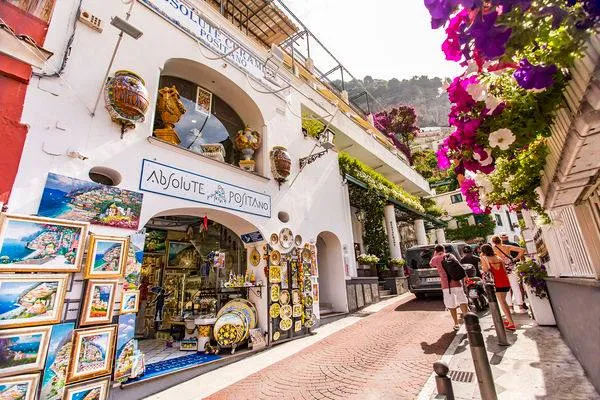
Stroll Positano’s Boutique Shops Wander narrow alleys, popping into artisan stores selling ceramics, linen clothing, and custom-made leather sandals. Grab gelato and simply enjoy people-watching.
Visit the Amalfi Cathedral The Duomo in Amalfi is a showstopper: its dramatic staircase and striped facade make for great photos. Then relax with an espresso in the piazza.
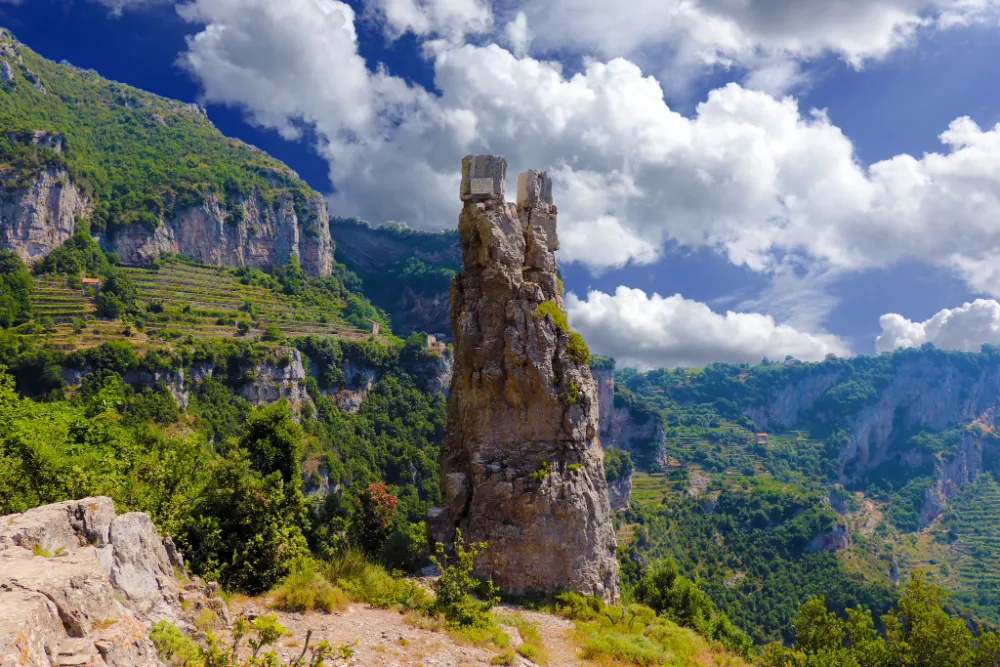
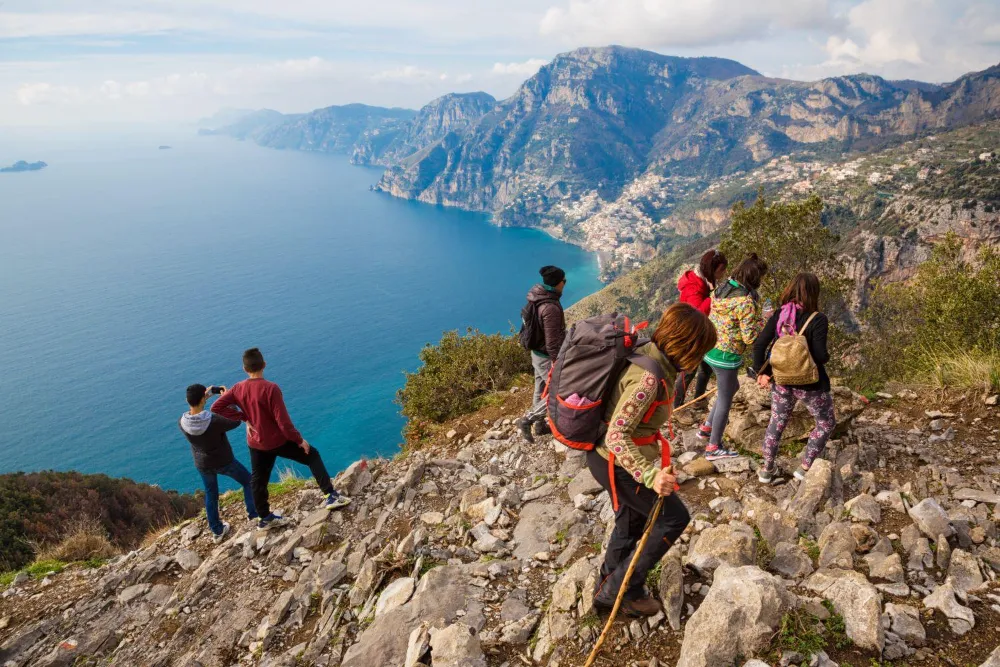
Hike the Path of the Gods A legendary coastal trail between Bomerano and Nocelle. Expect epic cliff views, but also challenging terrain. Bring water, snacks, and good shoes. You can also hire a guide.
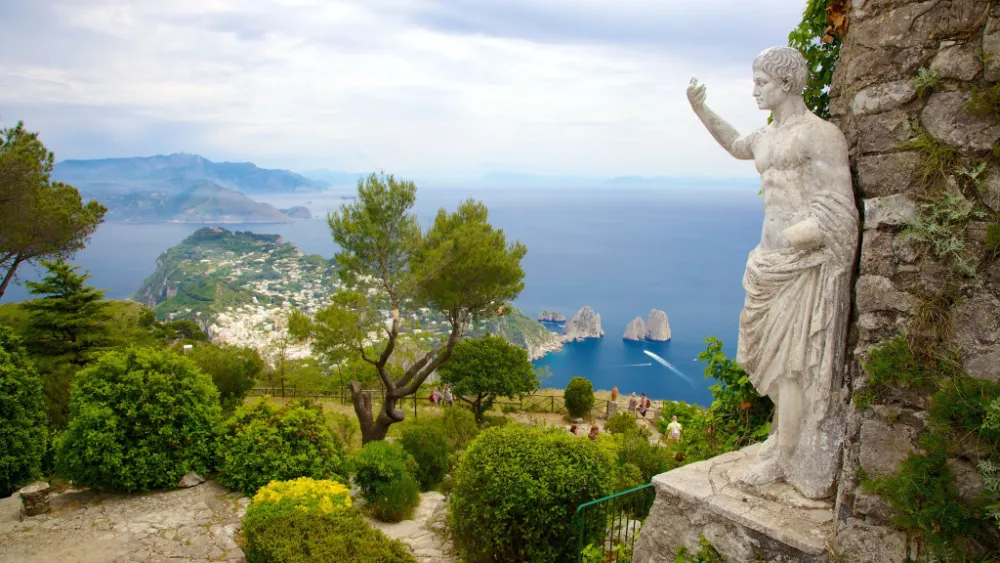
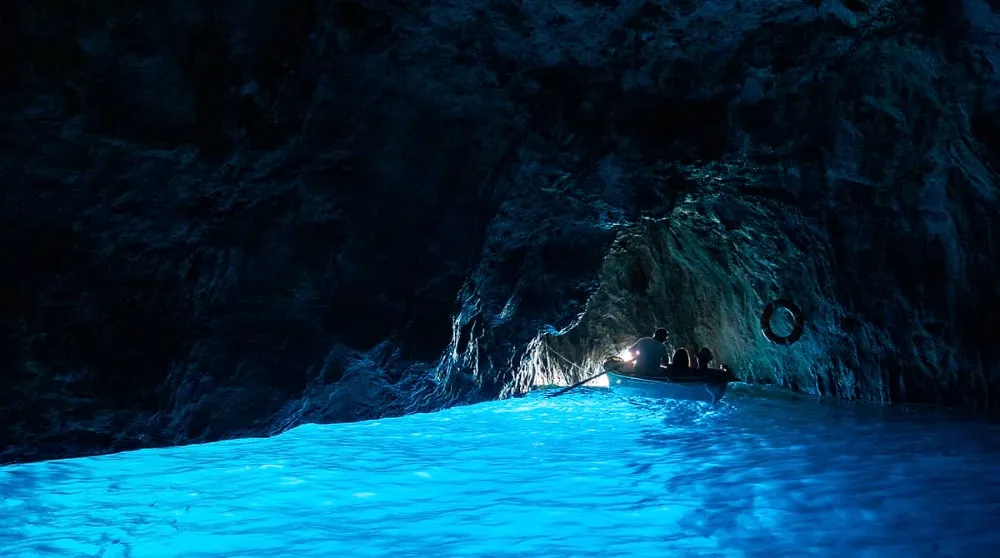
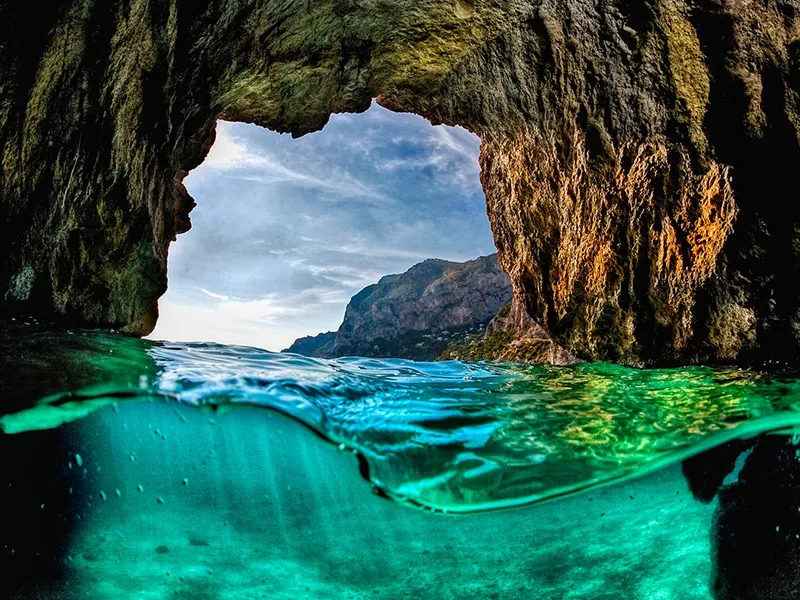
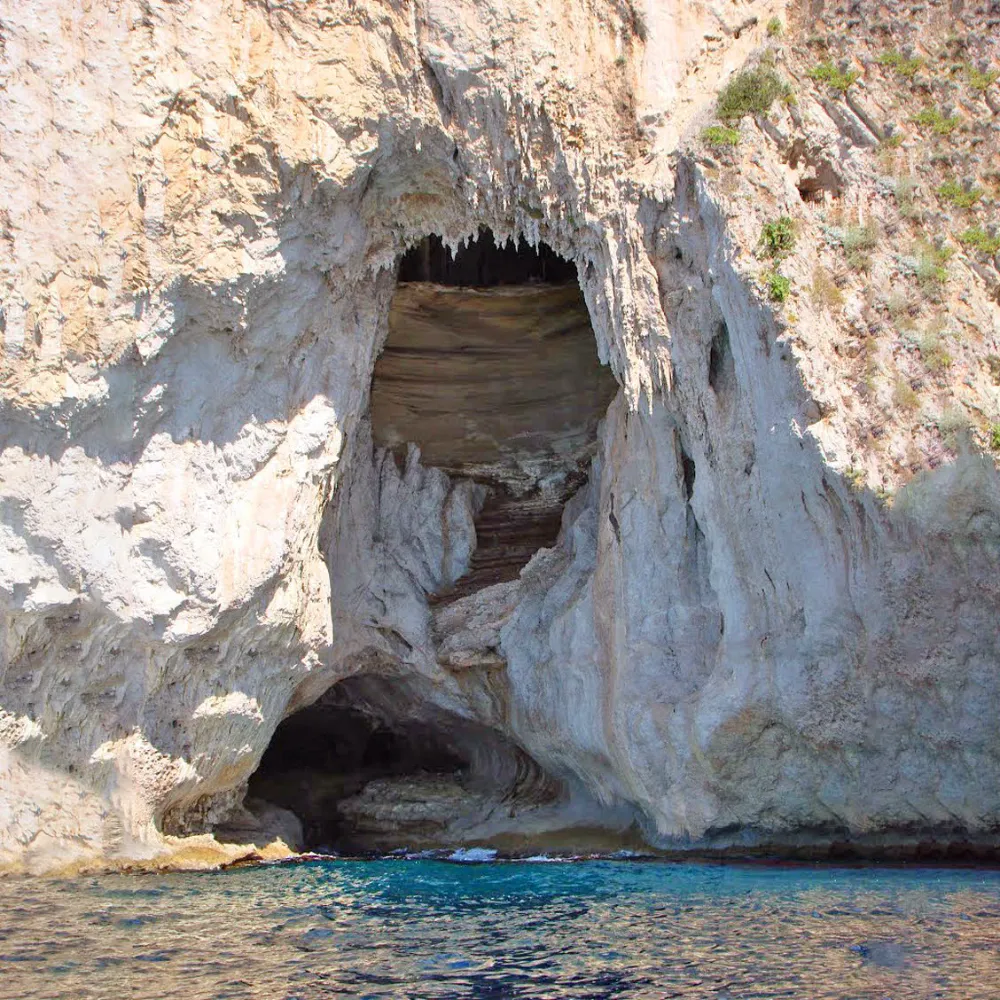
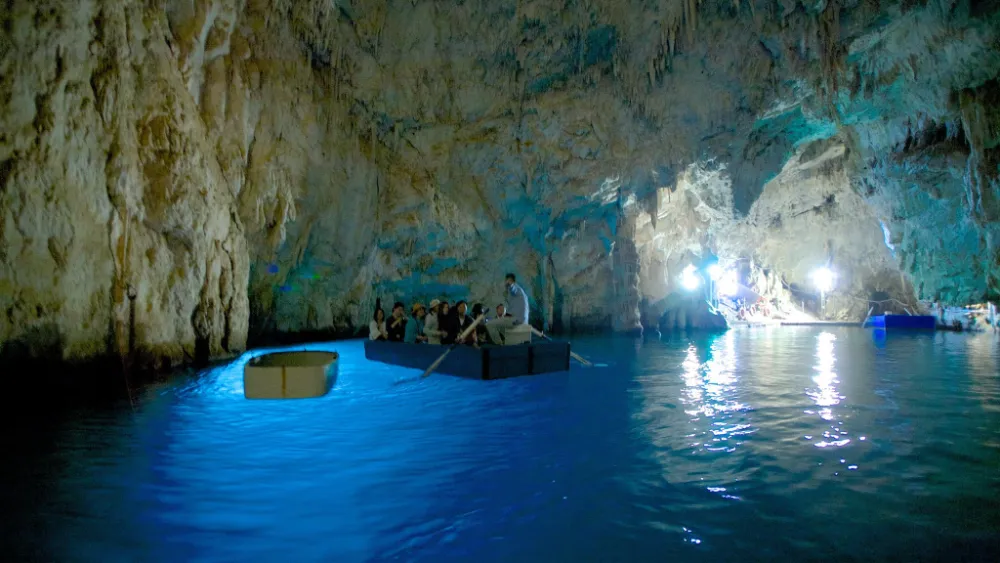
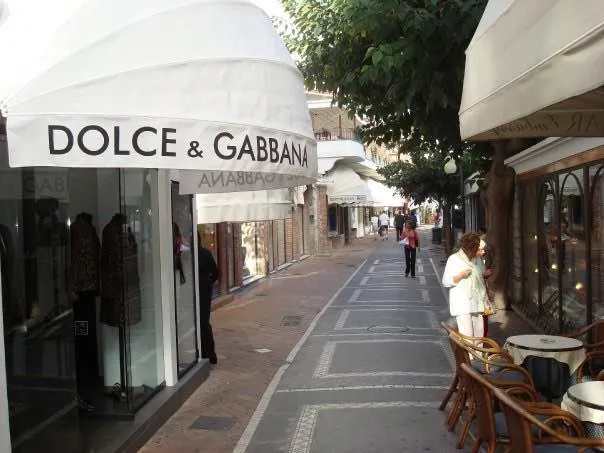
Take a Boat to Capri Capri also has fabulous high-end shopping, so channel your inner Jackie O. Take a chairlift to Monte Solaro for stunning views, or chill in the Piazzetta for prime people-watching. If the Blue Grotto is closed due to weather (it happens often), don’t fret, Green or White Grottos are just as spectacular. Plus, the entire coastline has spots like the Emerald Grotto near Conca dei Marini.
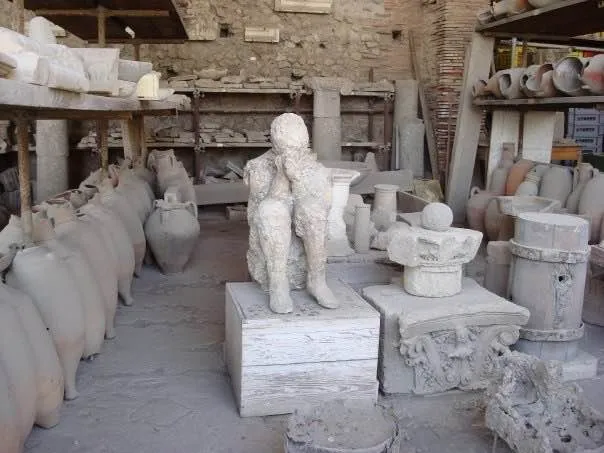
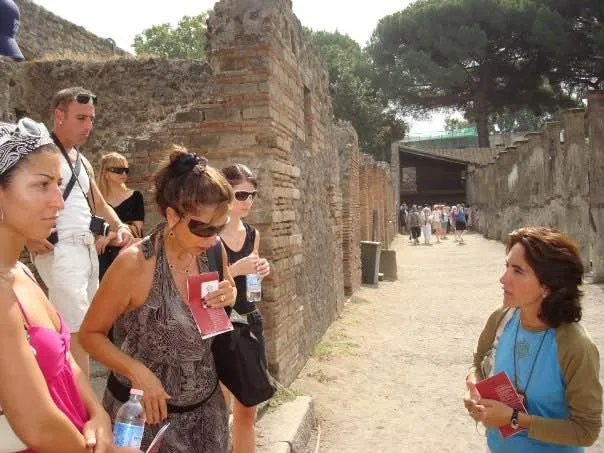
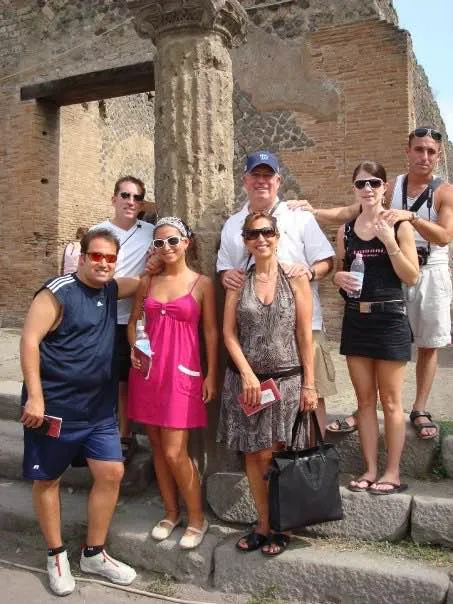
Explore Pompeii & Mount Vesuvius Easy day trip from Naples or Sorrento. Experience ancient Roman history and see plaster casts of the city’s inhabitants from 79 AD. Seeing an ancient Roman city frozen in time? Mind-blowing.
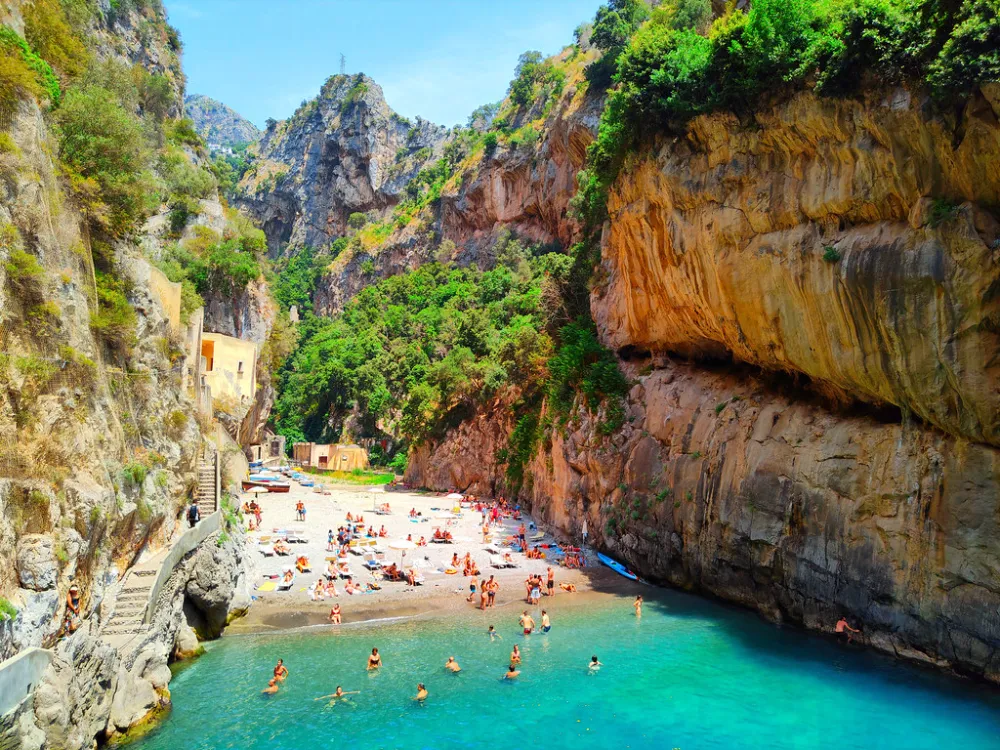
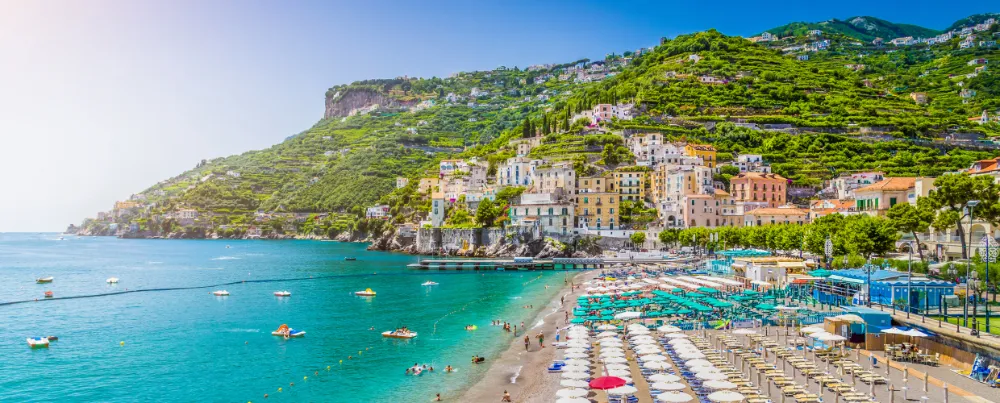
Beaches & Hidden Coves Positano’s Marina Grande or Fornillo Beach, Amalfi’s Spiaggia Grande, or lesser-known spots like Fiordo di Furore. Don’t expect fine, powdery sand, it’s mostly pebbles and rocks, so water shoes help. I actually enjoy it because you don’t end up with sand in your bag or hair! Positano’s Marina Grande and Amalfi’s Spiaggia Grande are classic. Or venture to smaller coves you can only reach by boat.

Eating Your Way Through the Coast
5. Dining on the Amalfi Coast
Local Specialties & Cooking ClassesThis region is famous for its lemons, so you’ll see (and taste) them everywhere: from pastries to soaps to the iconic limoncello. Many places offer hands-on cooking classes where you can learn to make fresh pasta, traditional sauces, and sample the local olive oil and wines. If you’re a foodie, this should be on your bucket list. It’s a fun immersive experience.
Recommended Restaurants
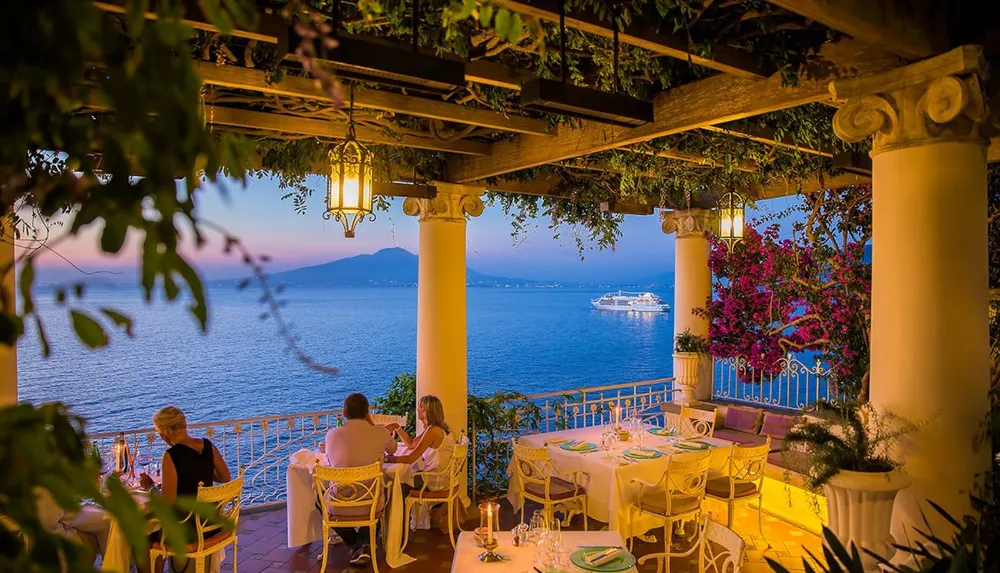
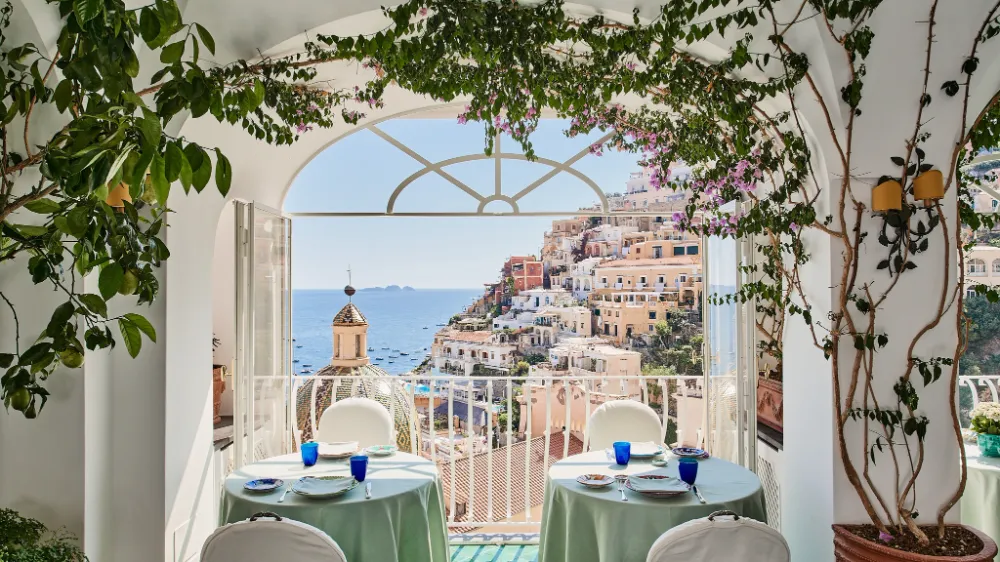
Positano La Sponda at Le Sirenuse: Michelin-starred romance under twinkling lights.
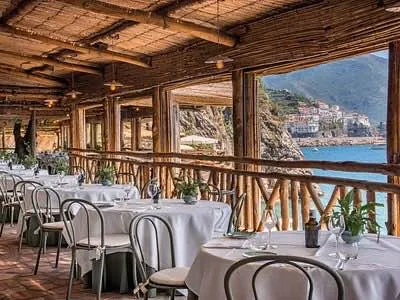
La Tagliata: Family-run and perched up high with dreamy views. Rustic, hearty Italian dishes, perfect for a group dinner.
Le Tre Sorelle: Right on the beach for gorgeous sea views, fresh pizza, and people-watching. One of my favorites ever, it’s like walking into a family party. We once had a 30-minute wait, and a waiter brought complimentary champagne while chatting with us like old friends.
Amalfi Da Ciccio Cielo Mare Terra: Fresh seafood, homestyle vibe, great views.
Ristorante Eolo: Upscale with a breathtaking panorama: fresh seafood and refined plates.
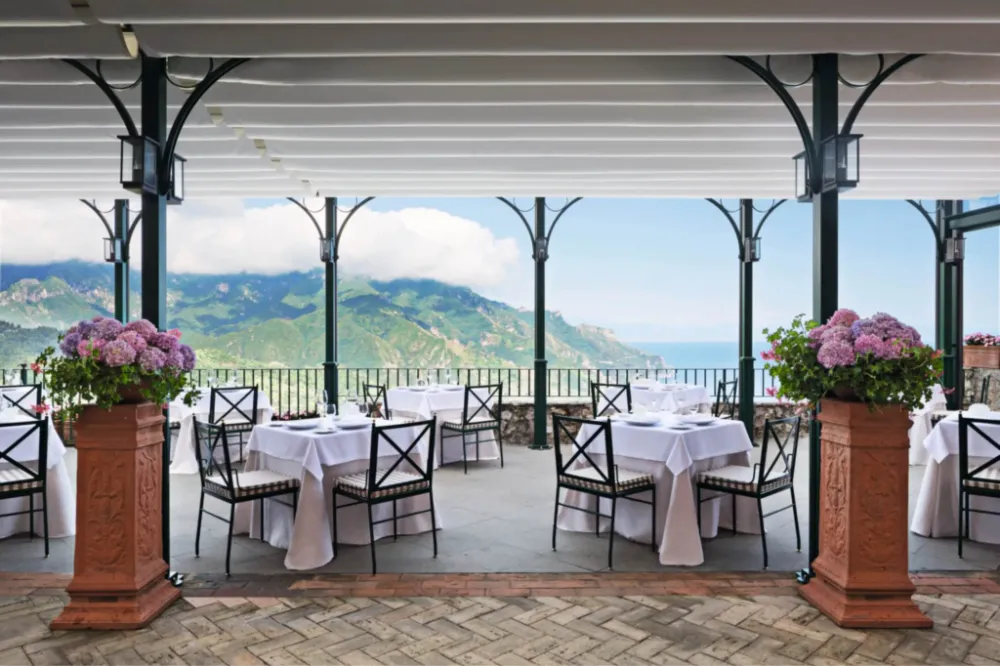
Ravello Ristorante Rossellinis: Michelin-starred, magical ambiance in a clifftop setting.
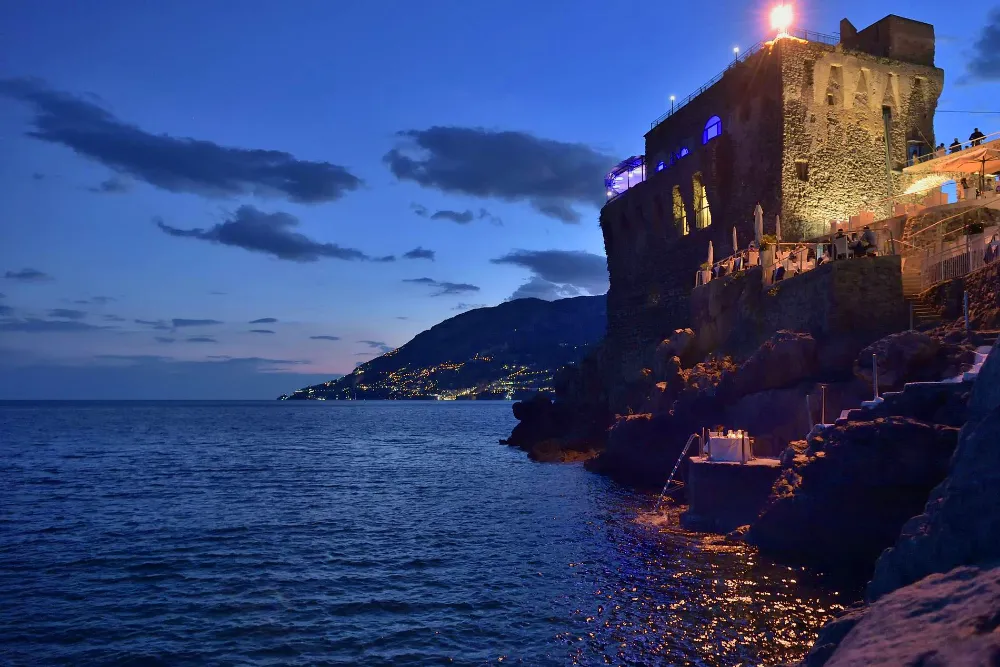
Maiori Ristorante Torre Normanna: Built into a medieval Norman tower overlooking the sea. Dramatic setting + fresh catches of the day.
After Dark + The Stuff You’ll Thank Yourself For
6. Nightlife: Music on the Rocks
If you’re in Positano and want to keep the party going after dinner, Music on the Rocks is an iconic nightclub built into a cliffside cave right on the beach. Grab cocktails, then dance the night away, meeting fellow travelers from across the globe. It’s part club, part geological wonder. I recommend going early for cocktails if you want a more laid-back vibe before the late-night crowds roll in. Bonus points if you checkout the bathrooms. Yes, they’re photo-worthy too!
7. Insider Tips
Pack Light: Seriously. If your hotel or villa is up a million steps, you’ll regret overpacking.
Book Early: Accommodations, tours, and restaurants can fill up months in advance, especially in high season.
Comfy Shoes: These streets and stairs will destroy flimsy footwear.
Avoid Peak Summer: If possible, aim for May–June or Sept–Oct. Less crowded, still gorgeous weather.
Use the Ferry System: It’s scenic, faster than traffic, and a unique experience in itself.

Families, Longer Stays
8. Traveling with Kids
Now, let’s talk kiddos, because the Amalfi Coast, while dreamy, isn’t exactly stroller-friendly. Expect lots of stairs and steep streets. If you’ve got toddlers, you’ll want to stay in towns like Minori, Maiori, or Amalfi, which have flatter areas and a bit more space to roam. Positano can be tough with tiny humans in tow, it’s super vertical.
Ferry Rides: Ferries are your friend. Kids love being on the water, and you avoid winding roads.
Boat Tours: Some tours include swimming stops, win-win for little ones who love the water.
Cooking Classes: Many are kid-friendly, especially if your kiddos are old enough to knead dough or munch on the final product.
Carriers vs. Strollers: A baby carrier is usually easier than a stroller in these narrow, hilly streets.
Maiori or Minori: Flatter and less chaotic for a base with small children.
Eat Gelato, Often: Because, Italy.
Harness-Style Travel High Chair: Many restaurants won’t have high chairs.
Public Toilets: Most towns have them, but you usually pay a small fee. Bring coins.
Diapers: Stock up whenever you see an open supermarket, don’t get caught empty-handed on a Sunday!
9. Extended Itineraries & Day Trips
7+ Days is Ideal:
Explore multiple towns, do a Capri day trip, maybe slip in Pompeii, and still chill on the beach. One Base: A single town (Positano, Sorrento, or Amalfi) for the whole week, with day trips to other towns or Capri.
Multi-Town Itinerary: 3 days in Sorrento, 2 days in Positano, 1–2 days in Capri. I help travelers tailor an itinerary with private transfers, cooking classes, and more.
Choose Your Base:
Easy transport = Sorrento or Amalfi.
Postcard vibe = Positano or Ravello.
Less touristy = Salerno.Mix Hotels & Villas: Stay a few nights in a luxury hotel (like Le Sirenuse) and then switch to a villa for a more relaxed, homey vibe.
What to Bring Home
10. Shopping & Souvenirs
Ceramics: The Amalfi Coast is known for brightly colored Vietri ceramics: plates, bowls, decorative tiles.
Linen Clothing: Breezy, perfect for summer.
Handmade Sandals: In Positano, Maiori, or Capri, many shops craft them to your foot size on the spot.
Handmade Paper (Amalfi): Famous for its ancient paper mills.
Limoncello: The quintessential Amalfi Coast souvenir. Often in adorable lemon-shaped bottles.
Final Thoughts
So, is the Amalfi Coast worth all the hype? Yes, a thousand times yes. It’s a place that will stick with you long after you’ve left. This girl loves a mix of rustic Italian charm and coastal luxury, and you certainly get that here. You can wander centuries-old pathways one morning, then sip Aperol Spritz on a beachside lounge chair that afternoon. It’s the stuff of daydreams, and it’s also wonderfully real.
If you’re itching to plan your own Amalfi adventure or maybe come back for Round 2, I’m here to help. Feel free to reach out if you want a personalized itinerary or just more tips. Trust me, once you set foot on those rocky beaches and see the sweeping views, you’ll understand why the Amalfi Coast is on so many bucket lists; and why it deserves that precious spot on yours, too.
Grazie mille for reading, and ciao until next time!
(P.S. Follow me for more travel tips and inspo, and please share your AmalfiCoast adventures if you go!)
https://www.tiktok.com/@the.travel.playli/video/7454417951454776619?is_from_webapp=1&sender_device=pc&web_id=7573756027616593463
A Coast You Will Keep Thinking About
If the Amalfi Coast has been living in your head for a while, maybe it is time to see it in real life.
Frequently Asked Questions
1. What makes the Amalfi Coast so special?
The Amalfi Coast is a UNESCO World Heritage site celebrated for its dramatic cliffs, pastel-colored vertical villages, and crystalline Tyrrhenian waters.
2. How do you get to the Amalfi Coast, and how long does it take?
Naples International Airport is the closest major airport, about an hour and a half to two hours from the coast. From there you continue by road or by ferry along the coastline.
3. When is the best time to visit?
May to June, or September to October. You get milder weather, fewer crowds and slightly better prices. High summer, July and August, brings intense heat, higher prices and peak crowds.
4. Where should you stay on the coast?
Positano is the best known, built vertically into the cliff with dramatic coastal views and a great many steps. Ravello is the calmer alternative. The right base depends on how much walking you want and how much you want to be in the middle of things.
5. What should you not miss?
Wander Positano's boutique shops for ceramics, linen and custom-made leather sandals. Visit the Amalfi Cathedral, whose dramatic staircase and striped facade dominate the piazza. And if you are up for it, hike the Path of the Gods between Bomerano and Nocelle, which has epic cliff views but demanding terrain, so bring water, snacks and good shoes.